How to Navigate Cruise Ship Accident Claims with Expert Legal Guidance
How to Navigate Cruise Ship Accident Claims with Expert Legal Guidance
Not all personal injury claims are created equal. Cruise ship accident claims are a specialized area of personal injury law that even the best car accident lawyers in Florida feel comfortable handling. This is because the laws and procedures governing cruise ship injury cases are unique. The claims must be filed in federal court under maritime law, are potentially subject to multi-jurisdictional arguments due to the international nature of cruise travel and are subject to limitations and restrictive terms and conditions in the cruise ticket contract. If a lawyer does not handle such cases regularly, there there is a steep learning curve and a lot of pitfalls that could get even the best personal injury attorneys jammed up.
With the unique legal landscape of maritime law, injured passengers need a lawyer who understands your rights and the steps to take immediately after an incident occurs or gets reported. So many cases are won one lost in the first moments after the injury occurs on the ship or excursion due to evidence preservation and reporting issues. Only attorneys experienced in dealing with the cruise lines may be able to resurrect such cases.
This article aims to provide a basic tutorial on the main points as to how we effectively manage cruise ship accident claims, ensuring you are well-informed and prepared to seek the compensation you deserve. Many victims of cruise ship accidents face challenges in understanding the legal implications and the necessary documentation required for their claims. By following the outlined steps and considering expert legal guidance, you can enhance your chances of a successful claim. We will explore the essential steps to take, potential challenges, key considerations, common types of injuries, and how a specialized cruise attorney makes the difference between getting nothing for your injury and being reasonably compensated.
Steps to Take:
How to Navigate Cruise Ship Accident Claims
After experiencing a cruise ship accident, it is vital to take immediate and appropriate actions to protect your rights and strengthen your claim. The cruise line will immediately take counter measures to reduce their exposure to a potential claim.For example, while you are laying on the floor after a slip and fall, they will take pictures of the bottom of your shoes and may try to administer a breathalyzer test. They are already building their case against you the moment an incident is reported. Here are the essential steps to follow:
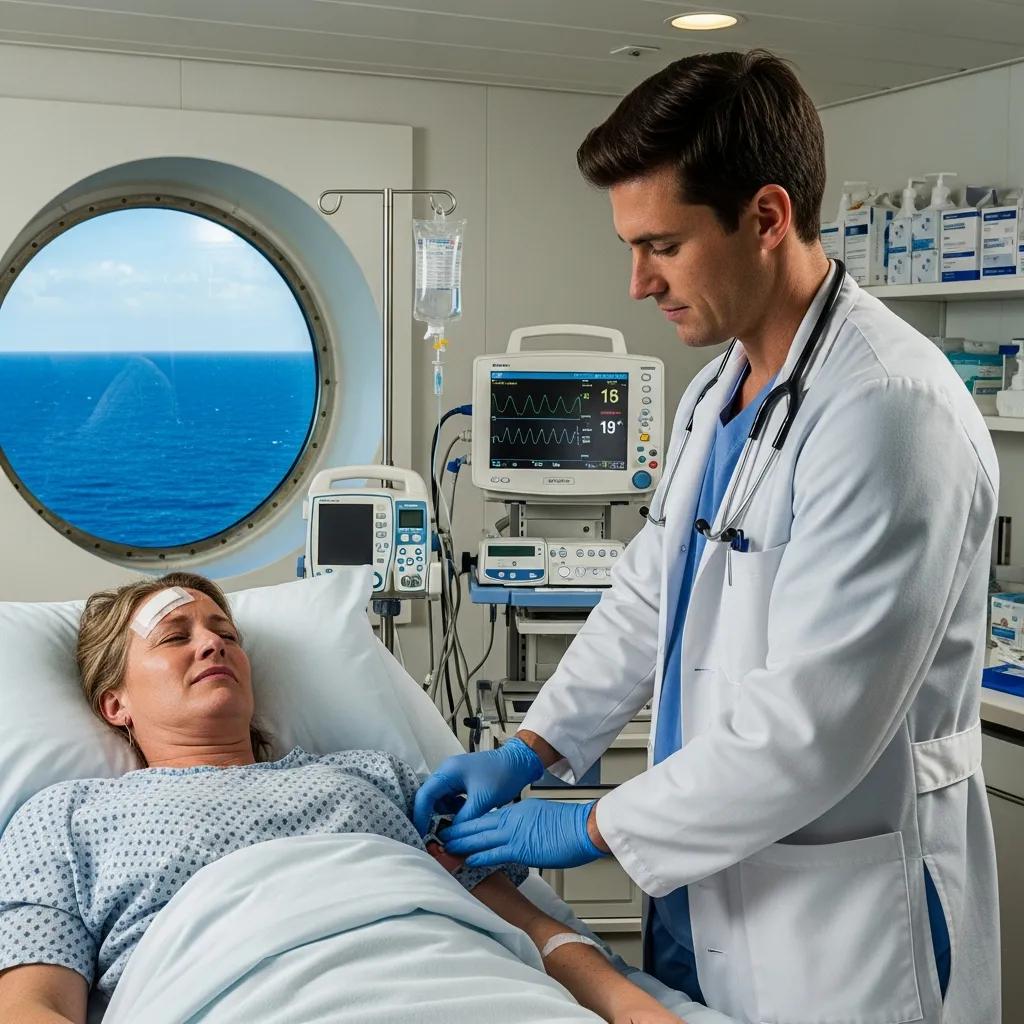
- Seek Medical Attention: Your health is the top priority. Ensure you receive medical care for any injuries sustained during the accident.
- Report the Accident: Notify the cruise line staff about the incident as soon as possible. This documentation is crucial for your claim.
- Gather Evidence: Collect as much evidence as you can, including photographs of the scene, witness statements, and any relevant accident reports.
Following these steps can significantly impact the outcome of your claim. For expert legal guidance, consider consulting Perkins Law Offices, which specializes in maritime injury claims, including cruise ship accidents.
Potential Challenges Claimants May Face:
Filing a claim for a cruise ship accident can present several challenges that may complicate the process. Understanding these potential hurdles can help you prepare effectively:
- Complex Maritime Law: The legal framework governing maritime accidents is intricate and often differs from standard personal injury law.
- Powerful Legal Teams: Cruise lines typically have experienced legal teams that may attempt to minimize their liability.
- Jurisdiction Issues: Determining the appropriate jurisdiction for filing your claim can be complicated, especially if the accident occurred in international waters.
Being aware of these challenges allows you to strategize effectively and seek the necessary legal support.
Key Considerations:
When pursuing a cruise ship accident claim, several key considerations can influence the success of your case:
- Act Quickly: Time is of the essence in legal claims. Prompt action can help preserve evidence and strengthen your case.
- Avoid Admitting Fault: Be cautious about making statements that could be interpreted as admitting fault, as this may jeopardize your claim.
- Consult a Specialized Attorney: Engaging a lawyer with expertise in maritime law can provide you with tailored strategies and insights into your case.
These considerations are crucial in navigating the complexities of cruise ship accident claims effectively.
What Are the Common Types of Injuries in Cruise Ship Accidents?
Cruise ship accidents can lead to various injuries, some of which may be severe. Common types of injuries include:
- Slip and Fall Accidents: Wet or uneven surfaces can lead to serious falls, resulting in fractures or head injuries.
- Food Poisoning: Contaminated food can cause significant health issues, leading to medical expenses and lost wages.
- Assault or Negligence: Incidents involving crew members or other passengers can result in physical harm and emotional distress.
Understanding these injury types can help you identify the nature of your claim and the compensation you may seek.
Legal Implications
The legal implications of cruise ship injuries are governed by maritime law, which can be complex. Key aspects include:
- Maritime Law Complexities: Unlike standard personal injury claims, maritime law has specific rules and regulations that must be followed.
- Proving Negligence: Claimants must demonstrate that the cruise line was negligent in their duty of care, which can be challenging.
- Cruise Line Liability: Establishing the cruise line’s liability for your injuries is essential for a successful claim.
Understanding these legal implications is vital for effectively navigating your claim.
Potential Compensation
Victims of cruise ship accidents may be entitled to various forms of compensation, including:
- Medical Expenses: Coverage for hospital bills, rehabilitation, and ongoing medical care.
- Lost Wages: Compensation for income lost due to the inability to work following the accident.
- Pain and Suffering: Damages for emotional distress and reduced quality of life resulting from the injuries.
Recognizing the potential compensation available can help you set realistic expectations for your claim.
Understanding Maritime Personal Injury Categories
Maritime personal injury claims can be categorized into several types, each with unique considerations:
- Slip and Fall Accidents: Often due to negligence in maintaining safe conditions on the ship.
- Food Poisoning: Resulting from the cruise line’s failure to ensure food safety.
- Medical Malpractice: Claims against medical staff on board for inadequate care.
Understanding these categories can help you identify the specific nature of your claim and the legal strategies required.
Recognizing Symptoms and Immediate Actions
After a cruise ship accident, recognizing symptoms of injuries and taking immediate actions is crucial:
- Seek Medical Attention: Always prioritize your health by consulting a medical professional.
- Report the Accident: Document the incident with cruise line staff to create an official record.
- Gather Evidence: Collect evidence such as photographs and witness statements to support your claim.
Taking these immediate actions can significantly impact the success of your claim.
How Do You File a Cruise Ship Accident Claim?
Filing a cruise ship accident claim involves several steps that must be followed carefully:
- Seek Medical Attention: Ensure your health is prioritized by receiving necessary medical care.
- Report the Incident: Notify the cruise line about the accident to create an official record.
- Gather Evidence: Collect all relevant evidence, including photographs, witness statements, and medical records.
Following these steps can help streamline the claims process and improve your chances of success.
Necessary Documentation
When filing a cruise ship accident claim, certain documentation is essential:
- Photographs and Videos: Visual evidence of the accident scene can support your claim.
- Witness Statements: Testimonies from individuals who witnessed the incident can strengthen your case.
- Medical Records: Documentation of your injuries and treatment is crucial for substantiating your claim.
Having the necessary documentation prepared can facilitate a smoother claims process.
What Are the Statute of Limitations and Deadlines for Cruise Injury Claims?
Understanding the statute of limitations for cruise injury claims is critical to ensure your claim is filed on time:
- Filing Deadline: Most maritime injury claims must be filed within a specific timeframe, often one year from the date of the accident.
- Notice Requirement: Some jurisdictions require that you provide written notice to the cruise line within a certain period.
- Jurisdictional Considerations: Different jurisdictions may have varying deadlines, making it essential to consult with a legal expert.
Being aware of these deadlines can help you avoid missing critical filing windows.
Timeframes to File Claims Under Maritime Law
Under maritime law, specific timeframes dictate when claims must be filed:
- One-Year Statute of Limitations: Most claims must be initiated within one year of the incident.
- Written Notice Requirement: Some jurisdictions may require a written notice to the cruise line within a specified timeframe.
- Variations by Jurisdiction: Timeframes can vary based on the jurisdiction in which the claim is filed.
Understanding these timeframes is essential for ensuring your claim is filed promptly.
Consequences of Missing Legal Deadlines
Failing to meet legal deadlines can have serious consequences for your cruise ship accident claim:
- Permanent Barring of Claims: Missing the statute of limitations can result in the permanent loss of your right to file a claim.
- Importance of Timely Action: Acting quickly is crucial to preserve evidence and strengthen your case.
- Legal Guidance: Consulting with a specialized attorney can help ensure you meet all necessary deadlines.
Recognizing the importance of legal deadlines can help you navigate the claims process more effectively.
How Can a Cruise Injury Lawyer Help You Secure Fair Compensation?
Engaging a cruise injury lawyer can significantly enhance your chances of securing fair compensation:
- Understanding Legal Framework: A specialized attorney can navigate the complexities of maritime law on your behalf.
- Claims Process Assistance: Legal experts can guide you through the claims process, ensuring all necessary steps are followed.
- Negotiation Strategies: Experienced lawyers can negotiate with cruise lines to secure the best possible settlement for your injuries.
Having legal representation can provide you with the expertise needed to navigate your claim successfully.
Assessing Liability and Cruise Line Responsibility
Determining liability in cruise ship accidents is a critical aspect of the claims process:
- Assessing Negligence: Establishing that the cruise line failed in its duty of care is essential for proving liability.
- Cruise Line’s Duty of Care: Cruise lines have a legal obligation to ensure the safety of their passengers.
- Determining Fault: Investigating the circumstances surrounding the accident can help clarify who is at fault.
Understanding how liability is assessed can help you build a stronger case for your claim.
Legal Consultation and Personalized Claim Strategies
Consulting with a legal expert can provide valuable insights and personalized strategies for your cruise ship accident claim:
- Legal Consultation Benefits: Engaging a specialized attorney can help you understand your rights and options.
- Personalized Strategies: Tailored legal strategies can enhance your chances of a successful claim.
- Successful Claims Examples: Learning from previous successful claims can inform your approach.
Recognizing the value of legal consultation can empower you to navigate your claim more effectively.